Blog

Sherlock Holmes

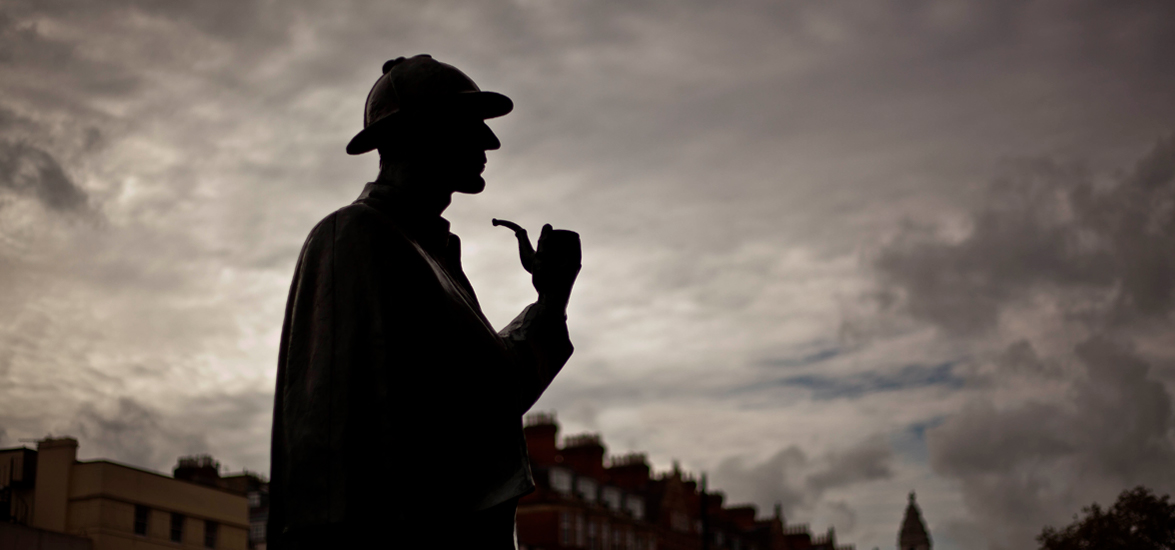
WHAT SORT OF MAN WAS HOLMES? SHERLOCK HOLMES (b. 1854), a consulting detective, first appeared in A Study in Scarlet (1887), for which its author received £25. Holmes’s fame spread through short stories in The Strand Magazine, beginning with A Scandal in Bohemia in 1891. The oeuvre continued until 1927, spanning four books and 56 short stories, most narrated by Holmes’s friend and biographer Dr John H Watson, who shared lodgings with him at 221B Baker Street in London, where Read More

New York

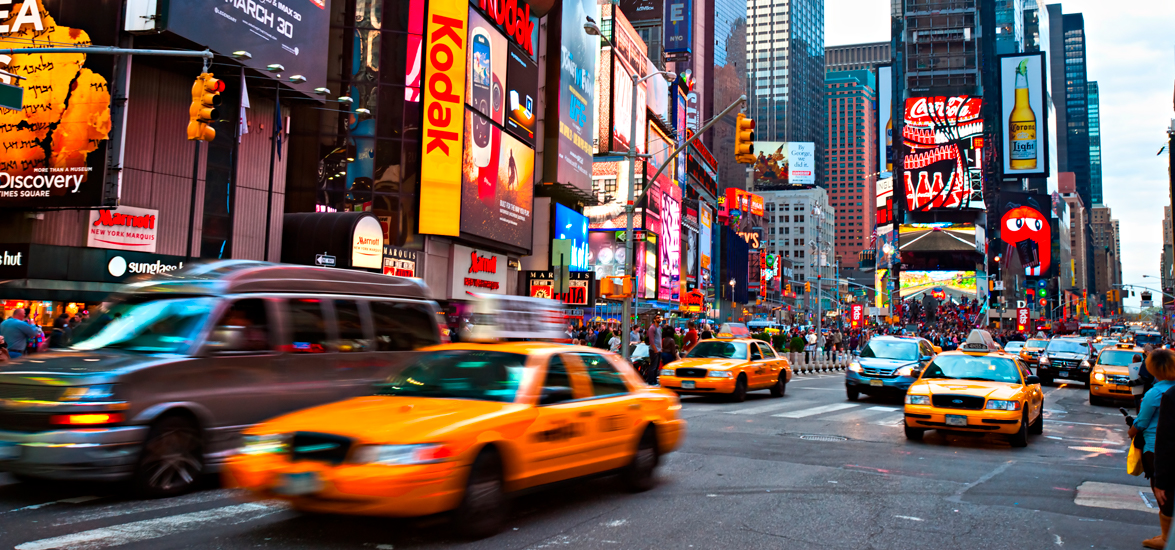
NEW YORK, NEW YORK, it’s a helluva town! I thought so too when I arrived in 1964 on the Queen Mary to see the World’s Fair. First impressions were of size. Steaks, cars, skyscrapers… all huge. The World’s Fair, a paean to consumerism, was no different. The Illinois pavilion had a huge robotic Abraham Lincoln who sat in an armchair and then actually rose and spoke – a five-minute medley of his speeches. Disney created it. There was stirring music. Read More

Propaganda – Campaign Posters

THE ART OF PERSUASION How far can ELECTION POSTERS go in demonising the opposition? In 1999, a UK poster featured Tony Blair with the caption BLIAR in lurid yellow. Strong meat in decorous Britain. Yet pallid compared to US politics. In 1856 the (newly formed) Republicans depicted the Democrats’ candidate, James Buchanan, as a jackass. ‘A true likeness’ the text said and added ‘P.S. Jimmy, you cannot win!’ Wrong. In the US 1828 election, handbills accused the Democrat Andrew Jackson, the hero Read More

Austria – Classic Travel Art

A VERY BRIEF HISTORY OF AUSTRIA Austria’s history is rich and complex. Tiny (the size of Maine, with a population of 9 million) compared to her powerful neighbours, she has inevitably looked warily east towards Russia and west towards Germany. The Anschluss of 1938, the annexation of Austria into Nazi Germany, though popular with most Austrians at the time, was a calamity. The union of German speaking peoples had been a utopian dream but Hitler, albeit Austrian, brought merely destruction. Read More

Women Artists

WOMEN AND ART ‘In the past a father would have died rather than let his daughter look upon a naked man’. So wrote Virginia Woolf in an introduction to her sister Vanessa Bell’s (1879-1961) paintings. In 1860, Marie Bracquemond (1840-1916), a student in Ingres’ studio, noted: ‘The severity of Monsieur Ingres frightened me… He would assign to [women] only the painting of flowers, of fruits, of still lifes…’ Bracquemond was fortunate – most women were excluded from academic training. The Read More

Ski Art

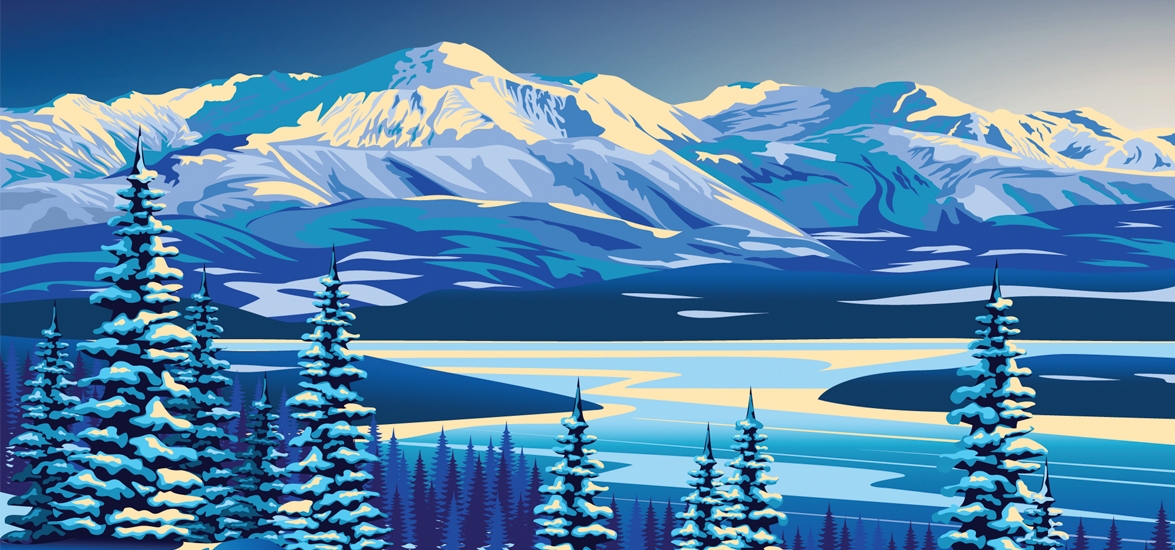
EARLY SKIING The British thirst for desolate places. They fell in love with Arabia. And at the other end of the climatic scale they fell in love with the Alps. It was like the Lake District but more dramatic, and with more snow. The British invented climbing the Alps for fun in the late 19C, and skiing as a sport after WWI, although the Danes, Norwegians and Swedes started the business by inventing ski troops, zooming down mountains with guns. Read More

Beautiful National Parks

FOREVER WILD The National Parks of America ‘Here in the United States we turn our rivers and streams into sewers and dumping-grounds, we pollute the air, we destroy forests, and exterminate fishes, birds and mammals…we are prone to speak of the resources of this country as inexhaustible; this is not so.’ TEDDY ROOSEVELT The great hero of American conservationism is Theodore Roosevelt, who became President in 1901, following the shooting and death of President McKinley. President Roosevelt extended protection of Read More

Who is Banksy? Who is he?

‘People say graffiti is ugly, irresponsible & childish. But that’s only if it’s done properly.’ Possibly the Daily Mail is right and Banksy is a bloke called Robin Gunningham, a native of Bristol, where his street art emerged in the early 1990s. Does it matter who he is? Paradoxically, his anonymity makes him famous. An air of mystery fans media interest in this Pimpernel of the pavements, sneaking out with stencil and spray gun to illuminate a pub wall with Read More

Battle of Britain 1940-2020

BRITAIN’S ‘FINEST HOUR’ IN 1940, with France defeated, Hitler’s planned invasion of Britain [Operation Sealion] was launched on July 16 with sorties against Channel shipping and ports. Three days later Hitler offered peace, but Churchill stiffened his Cabinet’s resolve to fight on. On August 13 Goering, the Luftwaffe commander, switched attacks and launched Adlertag (Eagle Day) against RAF airfields and radar stations. The RAF was losing planes, but more importantly experienced pilots (25% of RAF pilots were lost in two Read More

Classic Firearms

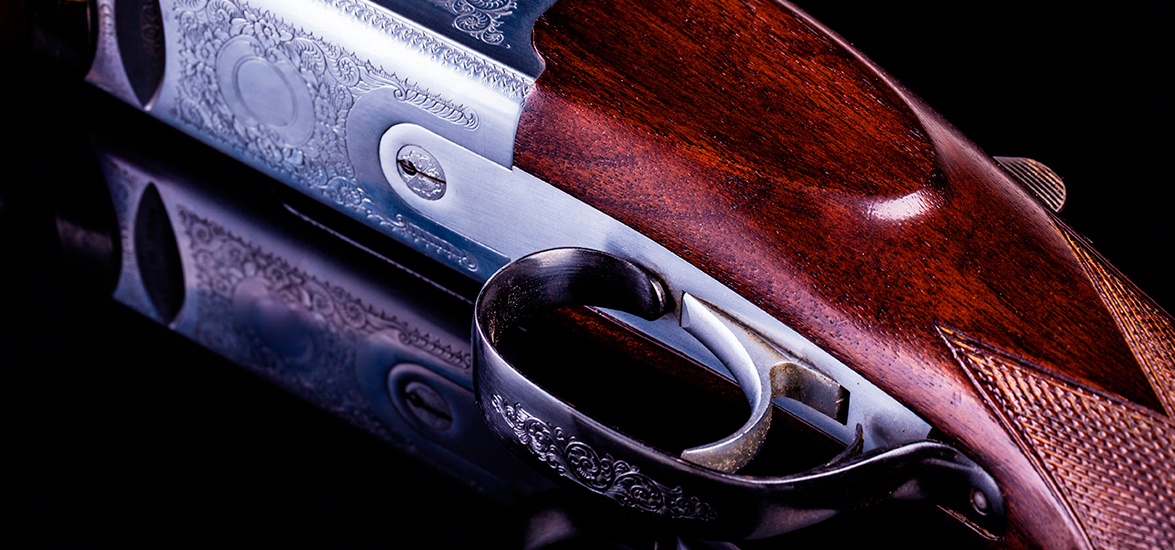
GUNS SINCE WATERLOO ‘Whatever happens, we have got / The Maxim gun, and they have not’ wrote Hilaire Belloc. At the Battle of Omdurman (1898), where Churchill charged with the 21st Lancers, 50,000 Dervishes were faced by Kitchener’s 25,000 trained troops. Kitchener – ‘a great poster if not a great man’ (Margot Asquith) – had 44 Maxim machine guns. The Dervishes, armed with spears and a few old rifles, were massacred. Kitchener (who, to Churchill’s horror, shot wounded tribesmen) lost Read More

A Day at the Races

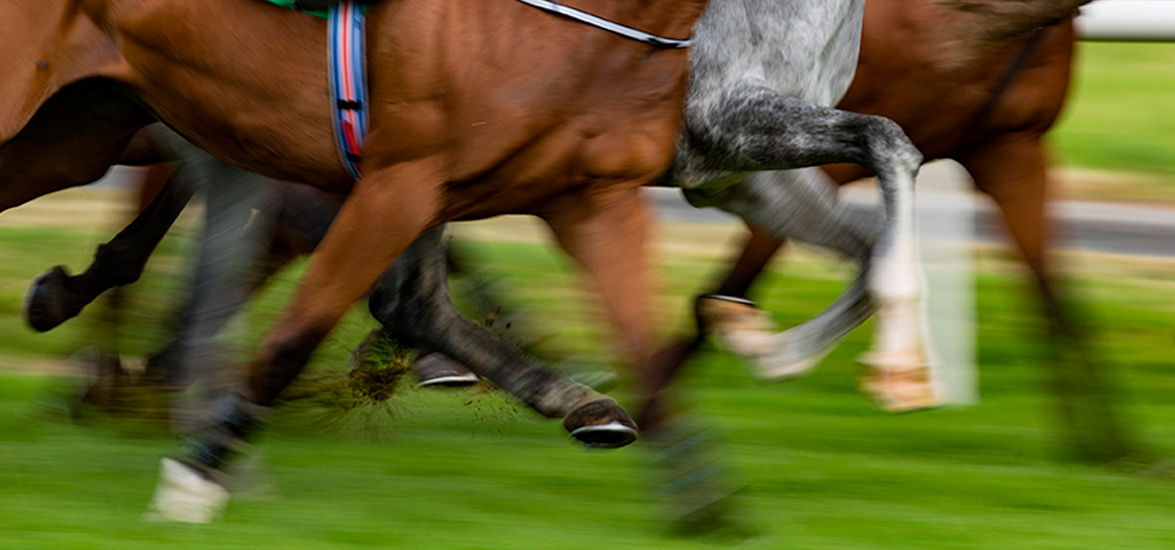
A FLUTTER AT THE RACES Racing is the Sport of Kings and the sport of the people. It has been around since antiquity. By 648 BC the Greek Olympics featured mounted horse races. Chariot races, often violent spectacles fatal to riders and horses, were the rage in Ancient Rome, topping the bill with Gladiators v Lions. As now, the best seats went to the smarter or richer types. The difference today is social mobility. If you have the money you Read More

Horror Movies

SPINE TINGLERS! Fear of things that go bump in the night is the basis of all horror movies. John Carpenter, the director of the Halloween series, explained the ‘very specific secret’ of a good horror film. ‘It should be scary’. Publishers were the first to twig that people would pay to be scared witless. It led to Mary Shelley’s Frankenstein (1818), the macabre tales of Edgar Allan Poe (1809-49) and Bram Stoker’s Dracula (1897). Georges Méliès, a French film pioneer, made Read More

The Art of the Japanese Print

JAPANESE PRINTS ‘All my work is based to some extent on Japanese art…’ So said van Gogh in 1888. He and the Impressionists discovered Japanese art through prints sent to Europe as mere wrapping paper (!) in packages. Their palette was transformed. Compositions adopted the low horizon, or none at all. Colour and line became crucial and would define the work of later masters, like Matisse and Picasso who revered Utamaro and Hiroshige. Monet even created a Japanese garden, Giverny. Read More

The RAF 1918-2018

THE RAF 1918-2018 CENTENARY ‘If we lose the war in the air we lose the war and lose it quickly.’ FM Bernard Montgomery If sea power and the might of the Royal Navy were key to victory in WW1, the tactical use of air power came to dominate the Western Front. Without it artillery fired blind and infantry attacked blind. In WW2, as Monty realised, to surrender initiative in the air meant defeat. Air power won the war. The RAF Read More

Bird Playing Cards, Blog, Travel USA

Travel USA

‘As I was walking a ribbon of highwayI saw above me an endless skyway,I saw below me a golden valley;This land was made for you and me.’Woody Guthrie Americans discovered travel in the 19th century, when trains first stretched across the landscape. But travel was on roads of iron, and many of the ‘golden valleys’ were untamed. The ‘endless skyway’ was only tamed in the 50s when American enterprise, American business, made air travel affordable. BOOMTIME AND THE AUTO ‘What Read More