
Picasso

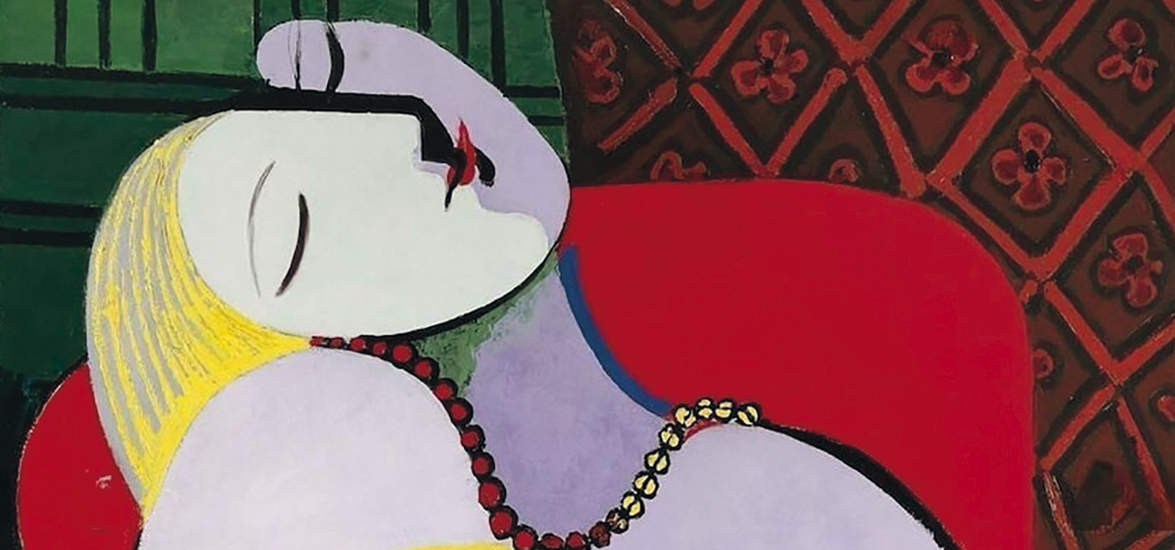
When I was their age I could draw like Raphael, but it took me a lifetime to learn to draw like them.’  Picasso, on child art PABLO PICASSO (1881-1973) painted Les Demoiselles d’Avignon in 1907. It changed art forever. Five naked sex workers in a Barcelona brothel confront in angular menace, with faces like African masks. It derives from Gauguin, from Cézanne’s brazen nudes, from the directness of Velázquez and Las Meninas (1656). Art evolves, even revolutionary art steals from Read More

Canaletto & Bellotto

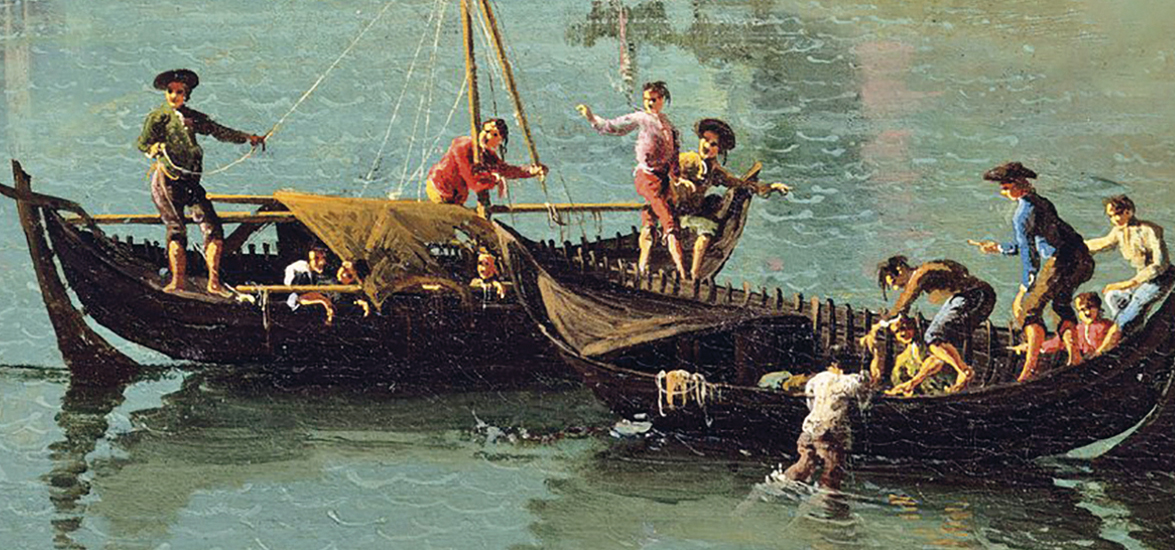
WHEN THE ENGLISH AESTHETE William Beckford arrived in Venice in 1780, he noted that ‘Canaletto conveys so perfect an idea’ of the city that any description was ‘superfluous’. Canaletto caught the ‘idea’ of Venice, caught its peeling grandeur, the bustle of canals; he rendered in exquisite detail the precision and frippery of ornament, of gondolas, of arch and architrave. A contemporary painter, Marchesini, wrote that Canaletto’s work ‘astounds everyone… you can see the sun shining in it.’  CANALETTO (Giovanni Antonio Read More

RMS Titanic

Length: 882.5 feet Gross tonnage: 46,329 tons Service speed: 21 knots Top speed: 24 knots Complement: 2208 (maiden voyage) First-class: 324 Second-class: 285 Third-class: 708 Crew: 891 Survived: 705 (estimate) Died: 1523 Titanic began her maiden voyage to New York from Southampton on April 10, 1912. At 11:39 p.m. (ship’s time) on the night of 14 April, while travelling at a speed of 22.5 knots, her lookouts saw an iceberg dead ahead less than half a mile away, and alerted Read More

History of the Court Cards

HOW DID THE WEIRD DESIGNS OF THE COURT CARDS COME TO BE (WITH THEIR SEMI-CIRCLES AND DIAGONALS)? Are they based on real people? There are lots of myths and they are mostly bollocks. The cards do not represent Caesar or Charlemagne. Or particular kings and queens (they are generic). Nor the seasons. The King of Hearts is not the ‘Suicide King’. The king may appear to stab himself (he originally held an axe) but it’s a feature of early French Read More

Infamy!

CRIME HAS ALWAYS BEEN POPULAR. In George Orwell’s essay Decline of the English Murder (1946) he pictures a chap on a Sunday afternoon. ‘The wife is already asleep in the armchair… You put your feet up on the sofa and open the News of the World. Roast beef and Yorkshire… have put you in just the right mood. Your pipe is drawing sweetly, the fire is well alight… In these blissful circumstances, what is it that you want to read Read More

Miro

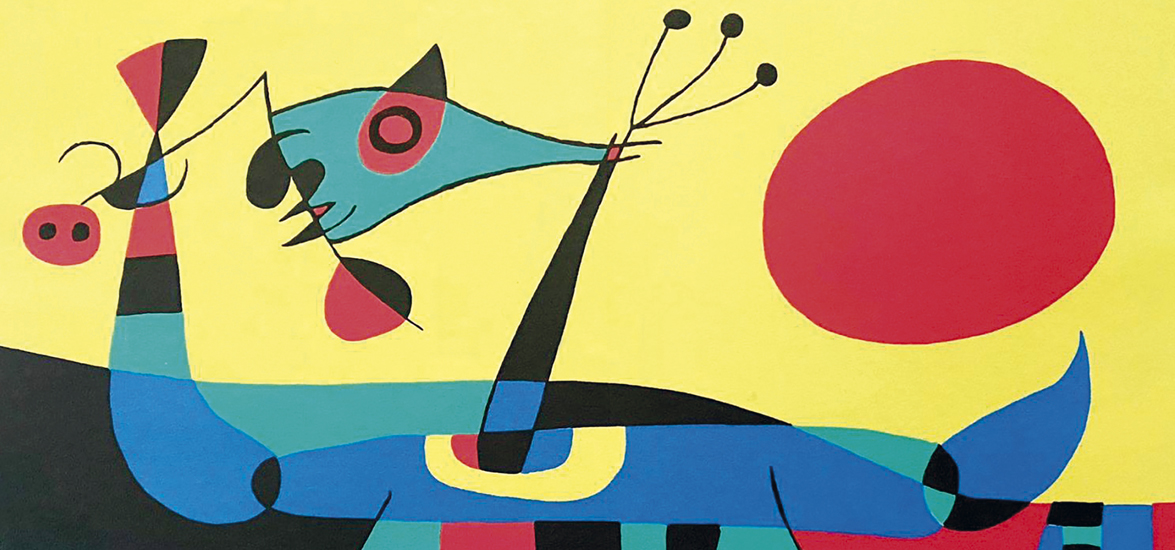
JOAN MIRÓ (1893-1983) was a contradiction: a bohemian in attitude but who dressed as a businessman at the easel; taciturn and sober, he belied his playful artistic style, his rejection of the commercial. He was ‘utterly free of disorder or excess’ said a friend. Miró was a quiet iconoclast, contemptuous of much conventional painting. By upsetting the visual elements in art he declared an ‘assassination of painting’. He loathed any surrender to the diktats of dealers. He was distressed by Read More

Musicals!

ANYTHING GOES A brief history of the musical ‘No legs, no jokes, no chance!’ The famous quote was plain wrong. The show in question – the 1943 pre-Broadway premiere of Away We Go – was a strange subject for an entertainment: a story about feuding cattlemen and farmers out West in 1906, that includes a gruesome killing. Such violence was not the stuff of the usual froth (London’s theatreland was once called ‘an asylum for American inanity’). When it opened Read More

The Art of Venice

The Golden Age of VENETIAN PAINTING VENICE was ‘this strange dream upon the water’ to Dickens. Petrarch called it ‘another world.’ The more cynical Thomas Mann said it was ‘half fairytale and half tourist trap’. Refugees, escaping from the barbarians in the 5th century, established a city on numerous small islands in the Lagoon, with canals as arteries and the sea as defence. The relics of St. Mark were smuggled to Venice in the 9th century, a prestigious shrine (second Read More

Tiepolo

‘A painter’s mind must always aim at the sublime, the heroic and for perfection.’ So said Giambattista Tiepolo (1696-1770). He is the master of the Grand Manner. He may have lived in the Age of Reason and the Enlightenment, but his art is pure theatre. There is nothing rational about it, nothing worldly. His paintings are poetic masterpieces of colour: sensual, magical. Caravaggio’s martyr or saint looks like the bloke next door; Tiepolo gives him the majesty of the heavens. Read More

Modigliani

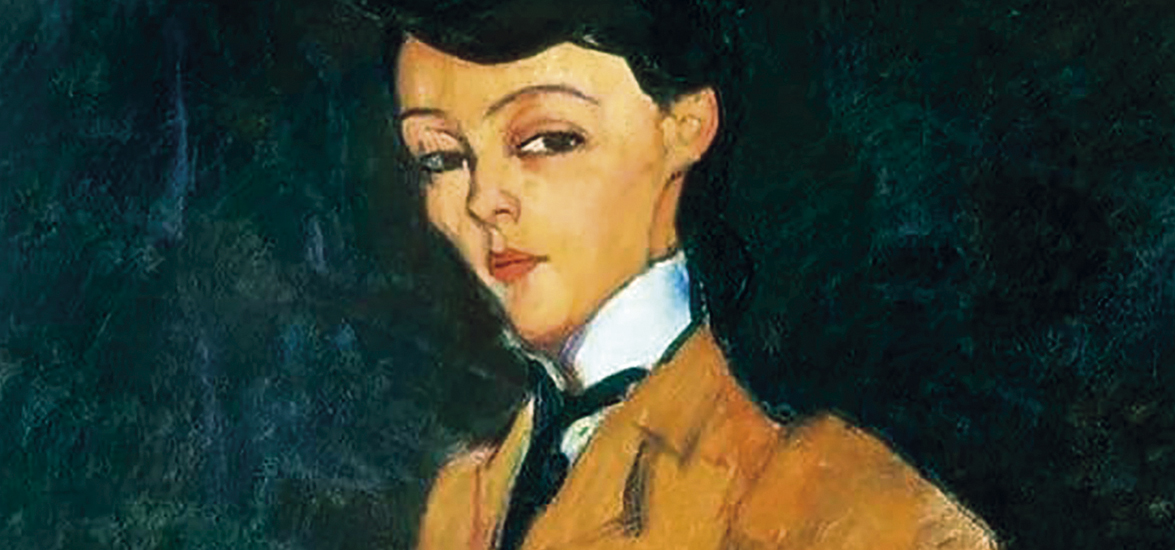
Modigliani said to me time and again that he wanted a short but intense life. Jacques Lipchitz, 1954 AMEDEO MODIGLIANI (1884-1920) got his wish. He died of tuberculosis, aged 35, in Paris. But his health was shattered by drink and drugs. Yet in that ‘short but intense life’ he created sculptures and figurative paintings of classical beauty. His life was almost a caricature of the bohemian artist in novels and opera: consumptive, subversive, poetic (‘I never met a painter who Read More

Velázquez

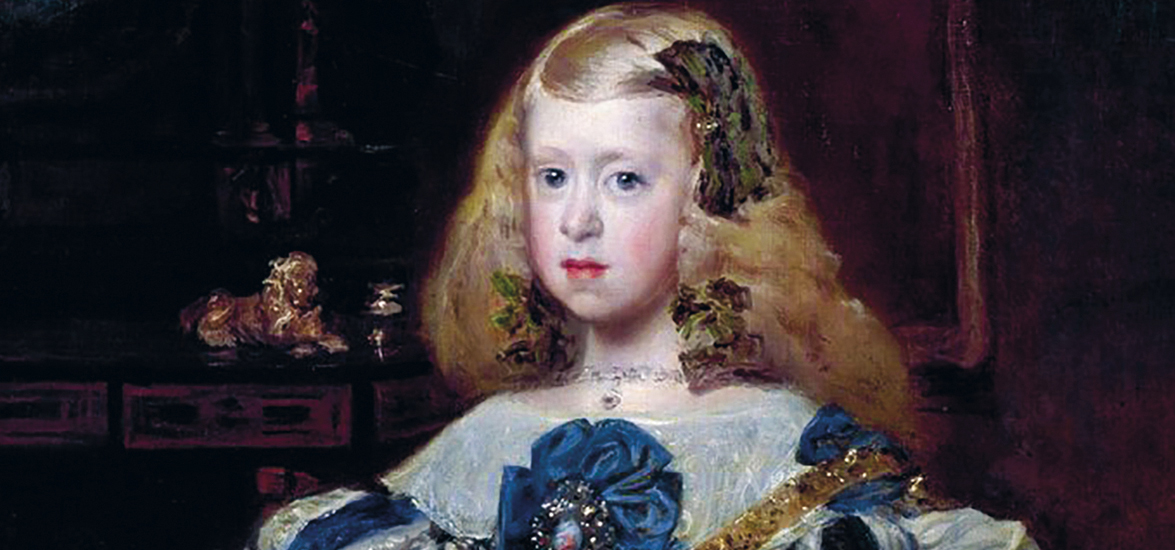
Édouard Manet saw the paintings by Velázquez in the Prado and was awed. ‘He is the painter of painters,’ he wrote, ‘he has astonished me, he has ravished me.’ You can feel what Manet felt if you go to Rome’s Palazzo Doria Pamphilj. In a small room are two masterpieces, both created around 1650: one a sculpted bust by Bernini; the other a painting by Velázquez (while on his second visit to Rome). They are of Pope Innocent X. Their Read More

Raphael

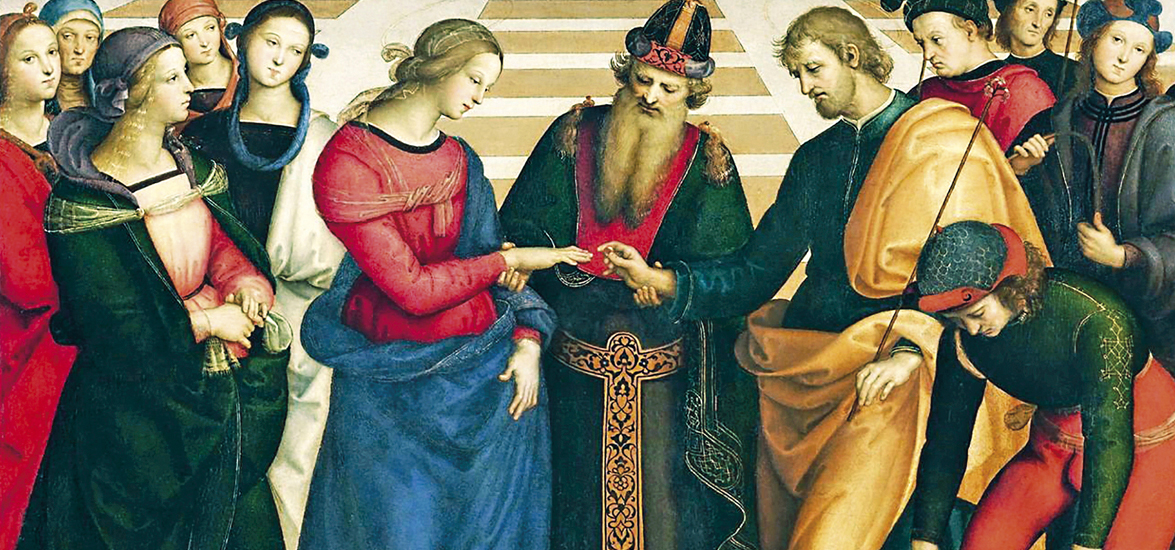
RAPHAEL (1483-1520), so his biographer Vasari tells us, died aged only 37 of too much sex. This unlikely scenario does however tell us something about the man. He was passionate. He was beguiling. The coquettish woman in La Fornarina (his mistress?) holds a bare breast while pointing at an armband bearing his name, as if she belonged to Raphael. Her sidelong eyes seem to share a joke.  Unlike his tormented rivals, Michelangelo and Leonardo, he had no repressed or unrepressed Read More

Michelangelo

MICHELANGELO was 17 when a fellow student (‘a bestial and arrogant man’) punched him on the nose and broke it. It was a permanent disfigurement that this celebrant of male beauty felt keenly. Anger burned throughout his life. One papal patron, Leo X, dithered over commissioning the great artist: ‘But he is terribile; one cannot deal with him.’ Yet it was his terribilità, his ability to instil awe, terror or a sense of the sublime, that led contemporaries to call Read More

Caravaggio

MICHELANGELO MERISI DA CARAVAGGIO (1571–1610) was a violent yob but a painter of genius. He did not invent chiaroscuro, dramatic contrasts of light, but he took it to expressive heights, darkening the shadows, transfixing a subject in a blinding beam. The dramatic tenebrism he perfected changed art. It pervades the Baroque and 19th century realism – and film noir. But the Baroque took Caravaggio’s theatricality without the psychological insight. He worked without preparatory sketches. His models were beggars, whores, riff-raff. Read More

Rousseau

HENRI ROUSSEAU (1844-1910) was born in Laval, Mayenne, into the family of a tinsmith (who went broke and had his house seized). After high school, where Henri excelled at drawing, he studied law but was caught cheating his employer, a solicitor, out of some petty cash and stamps and sent to jail for a month (1864). When released he joined the army. In 1871 he got a job as a customs official in Paris. Thus his nickname of ‘Le Douanier’. Read More

Movies – The Golden Age

HOLLYWOOD, according to Orson Welles, was ‘the biggest electric train any boy ever had.’ It was a Mecca for the gifted, and ungifted. Herman Mankiewicz, co-author with Welles of Citizen Kane (1941), telegrammed screenwriter Ben Hecht – ‘Millions are to be grabbed out here and your only competition is idiots. Don’t let this get around.’ The cinema’s ‘Golden Age’ is 1927 (when sound started withAl Jolson’s The Jazz Singer) to 1960. 1960 marked key moments in screen history. The studios Read More