Blog

Caravaggio

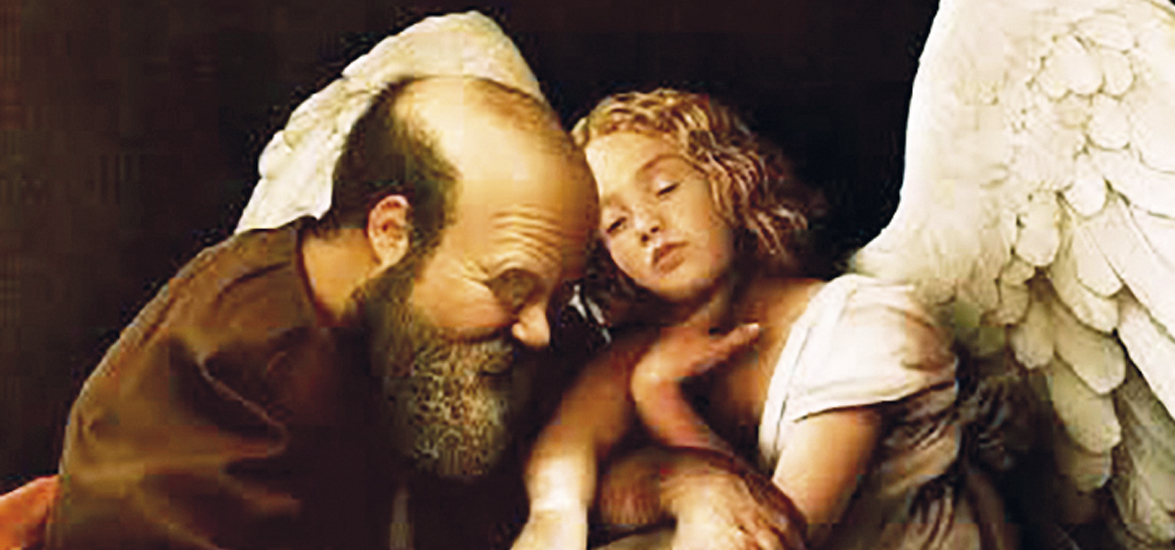
MICHELANGELO MERISI DA CARAVAGGIO (1571–1610) was a violent yob but a painter of genius. He did not invent chiaroscuro, dramatic contrasts of light, but he took it to expressive heights, darkening the shadows, transfixing a subject in a blinding beam. The dramatic tenebrism he perfected changed art. It pervades the Baroque and 19th century realism – and film noir. But the Baroque took Caravaggio’s theatricality without the psychological insight. He worked without preparatory sketches. His models were beggars, whores, riff-raff. Read More

Rousseau

HENRI ROUSSEAU (1844-1910) was born in Laval, Mayenne, into the family of a tinsmith (who went broke and had his house seized). After high school, where Henri excelled at drawing, he studied law but was caught cheating his employer, a solicitor, out of some petty cash and stamps and sent to jail for a month (1864). When released he joined the army. In 1871 he got a job as a customs official in Paris. Thus his nickname of ‘Le Douanier’. Read More

Movies – The Golden Age

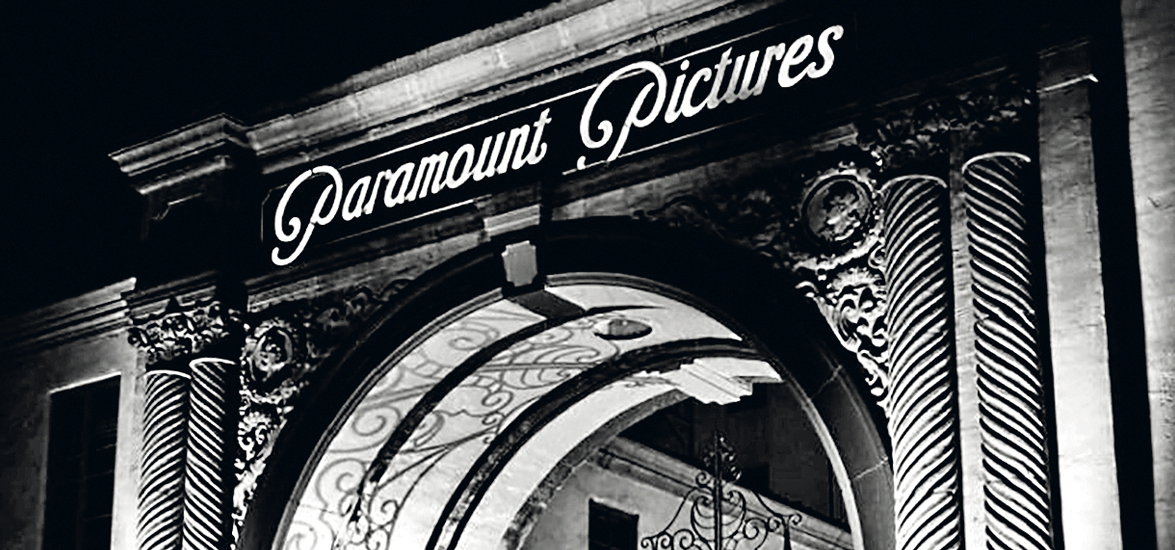
HOLLYWOOD, according to Orson Welles, was ‘the biggest electric train any boy ever had.’ It was a Mecca for the gifted, and ungifted. Herman Mankiewicz, co-author with Welles of Citizen Kane (1941), telegrammed screenwriter Ben Hecht – ‘Millions are to be grabbed out here and your only competition is idiots. Don’t let this get around.’ The cinema’s ‘Golden Age’ is 1927 (when sound started withAl Jolson’s The Jazz Singer) to 1960. 1960 marked key moments in screen history. The studios Read More

Matisse

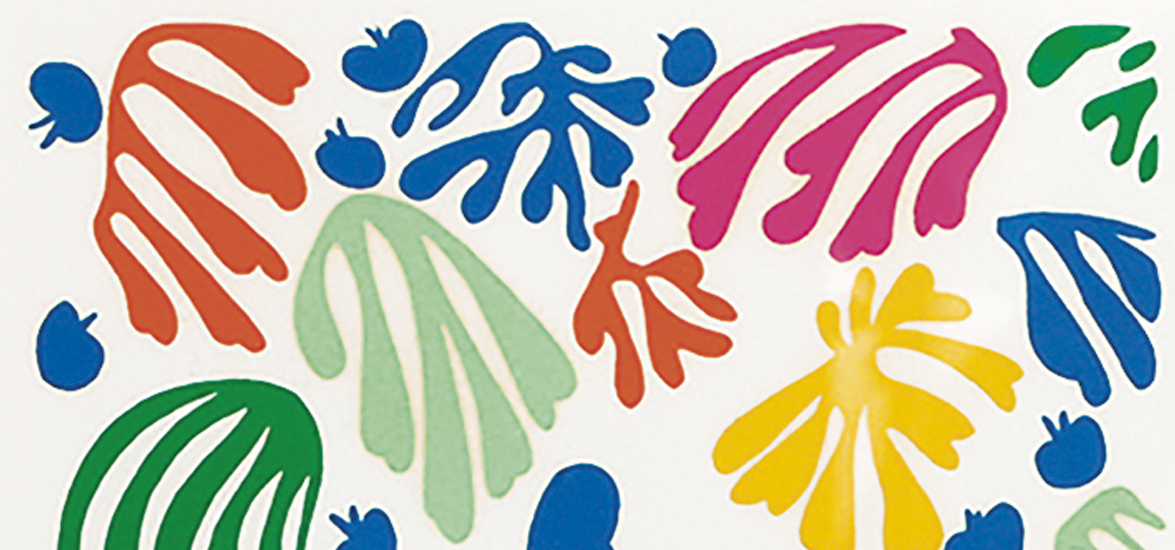
HENRI MATISSE (1869-1954) ‘In Matisse we see the decorative, in Picasso the destructive.’ It’s a traditional view, but a distortion. They were both figurative, both abstract. Both celebrated colour and line. They changed our sense of beauty; and they changed art forever. Matisse began the revolution, around 1904, with the ‘brutal’ colour of his ‘Fauve’ period (‘wild beast’). ‘Colours became sticks of dynamite,’ said André Derain, his fellow Fauve; but Matisse was less bombastic. He was finding out ‘how to Read More

Paris

‘Paris is the World, the rest of the Earth is nothing but its suburbs.’  So said the playwright Marivaux in 1734. Paris was then at its zenith, the largest city in Europe and unmatched for luxury and style. During the 11C, Paris had grown rich from the silver trade; and it lay on a strategic route for pilgrims and merchants. In medieval times relics drew hordes of pious tourists with disposable cash. King Louis IX (later Saint Louis) built Sainte-Chapelle Read More

British Kings & Queens

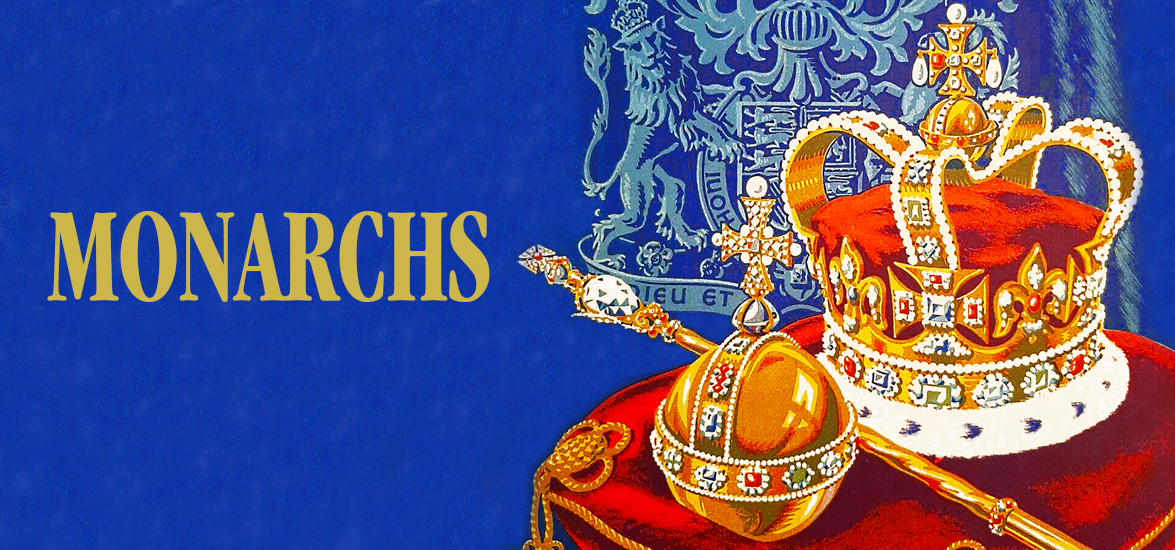
‘Uneasy lies the head that wears a crown.’  Shakespeare (Henry IV, Part 2) Edward II and Edward V were murdered in prison. So probably were Richard II and Henry VI. Richard III was killed in battle. Charles I was executed. But kingship brings perks: power, wealth, adulation. The throne gives you the right to whack foreigners, which Henry V, after a misspent youth, found he was good at.  Henry II’s empire stretched from the Pyrenees to Scotland. You don’t rule Read More

Vigée Le Brun

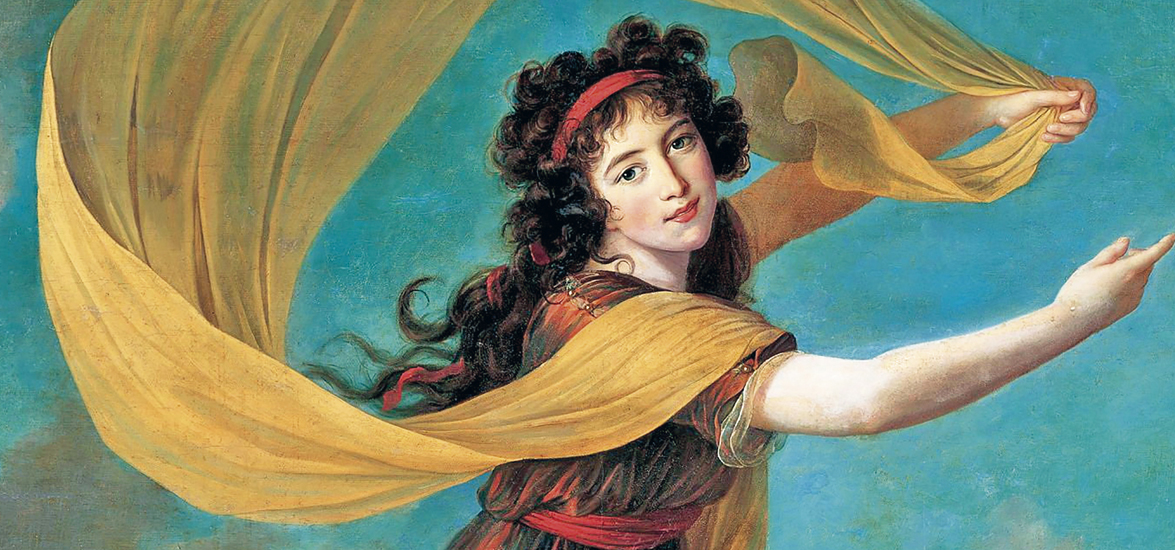
Élisabeth Vigée Le Brun (1755-1842) nearly lost her head during the French Revolution. She had chummied up to Ancien Régime society and Queen Marie Antoinette, painting over 30 portraits of the Queen and her family, and becoming her court painter. But Élisabeth escaped the guillotine, fleeing in 1789, and prospered abroad until finally returning to Paris in 1802. Her exile in the capitals of Europe was a progress of distinction; an international celebrity, she was feted for her art and Read More

Goya

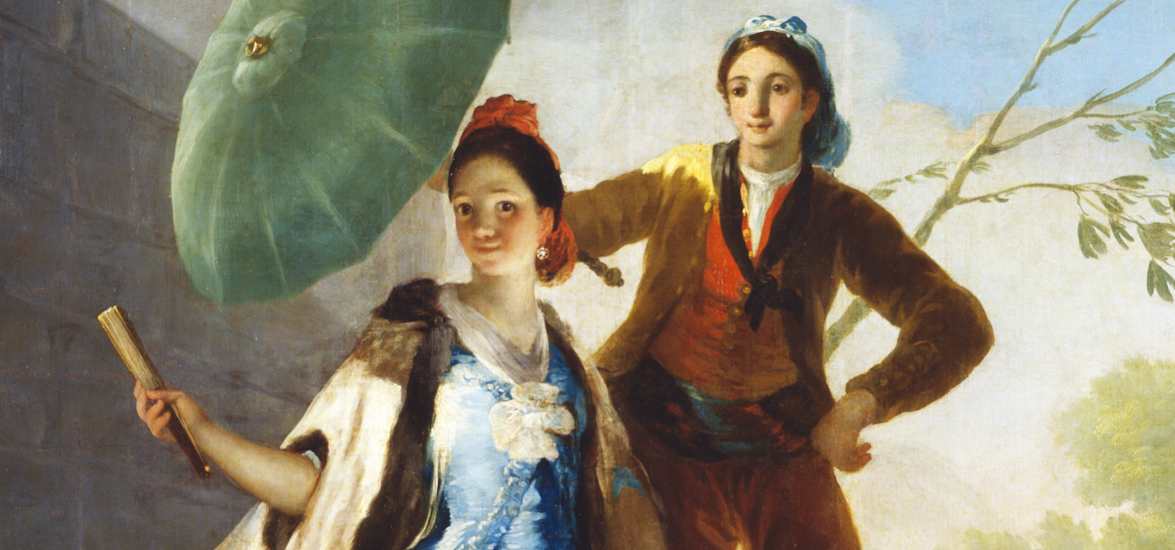
Francisco José de Goya y Lucientes (1746–1828) was a great artist – the most important Spanish painter between Velázquez and Picasso – and a great survivor. Like Jacques-Louis David in France, he was a court painter who portrayed champions of the old order and champions of the Enlightenment; the repressive and the liberal. He painted his patron, the Spanish king Charles IV, a feckless booby devoted to hunting and fiddling with clocks; and Charles’s son Ferdinand VII, a despotic incompetent Read More

Degas

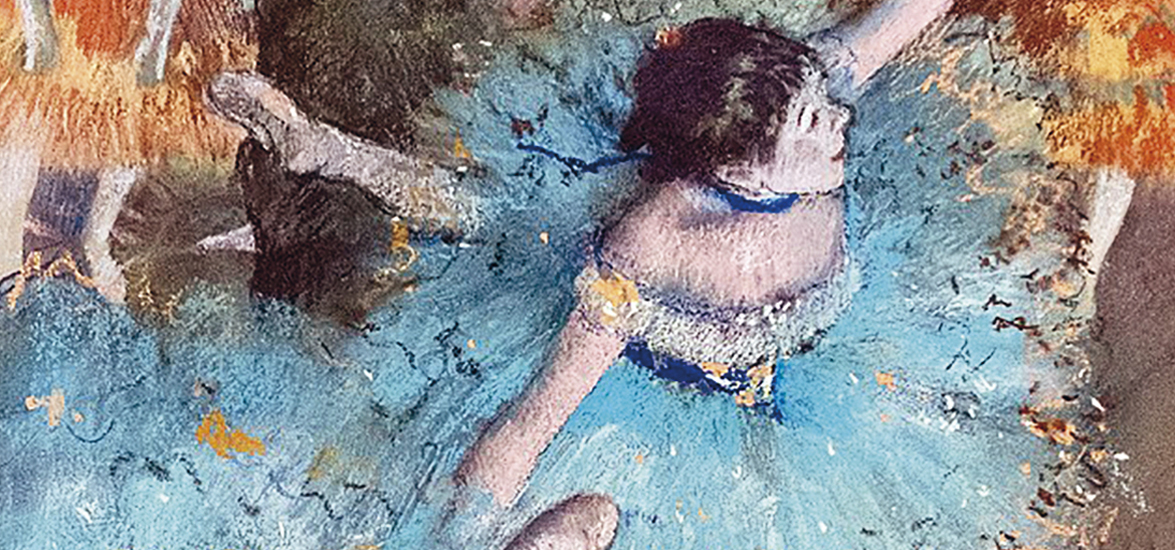
EDGAR DEGAS (1834-1917) L’Absinthe (1875/6) may be about a powerful spirit made from wormwood (the ‘Green Fairy’) but it is art, not sociology. Phylloxera had devastated French vineyards, which made wine expensive. The cheapest way to oblivion was Absinthe. The picture is the essence of Degas: lowlifes, distraction, jagged planes, subtle palette. Sadness. And precise drawing (‘I am a colourist with line’). Space is suggested, not constructed; the zig-zags define it. ‘I thirst for order,’ he said. The lady’s splayed Read More

D-DAY 80th Anniversary

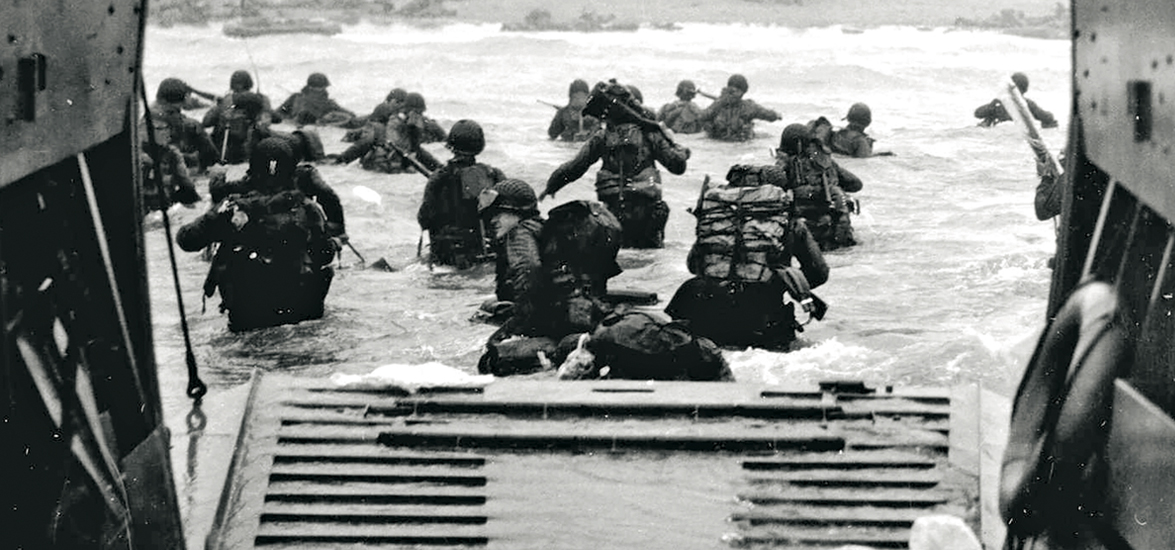
‘People of Western Europe. A landing was made this morning on the coast of France…’ Gen. Dwight D. Eisenhower Allied Supreme Commander OVERLORD, evening of June 6, 1944 AN OPPOSED LANDING is one of the most hazardous military operations. Ike’s laconic words hid the complexities, agonising decisions, years of planning and deception that lay behind the invasion, the ‘longest day’ as Rommel called it. On D-Day 150,000 men were carried by some 7000 ships to liberate France and Europe from Read More

Vandal or genius

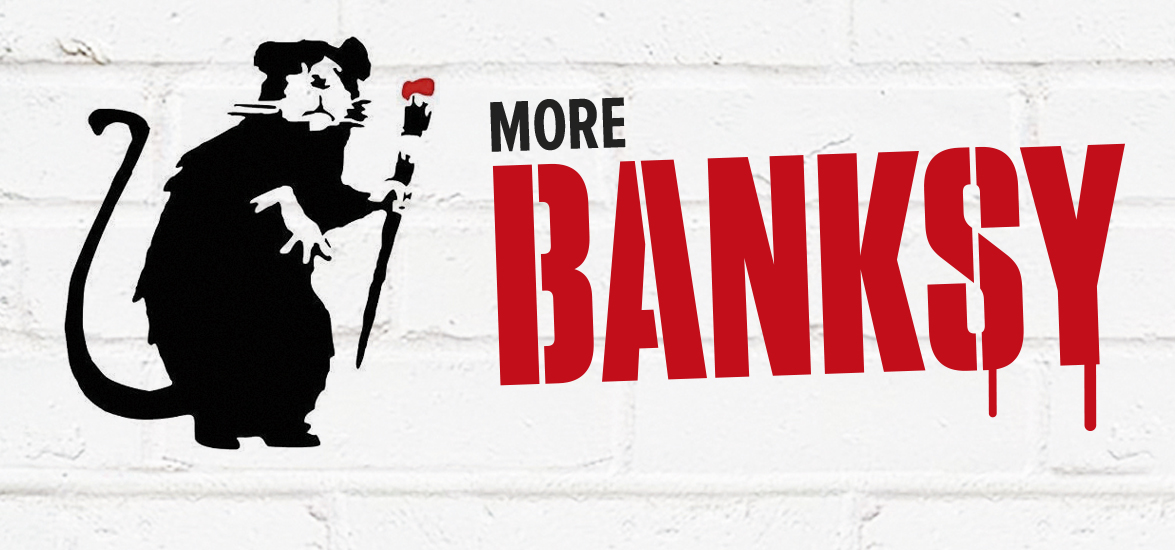
‘A wall is a very big weapon. It is one of the nastiest things you can hit someone with.’ BANKSY is an agitator, and the wall is perfect for his message. Unavoidable, and literally in your face. He is a self-made enigma. His anonymity is a weapon. It protects him from prosecution for criminal damage for ‘defacing’ walls. And from being pestered. He is a contradiction, an anti-establishment artist who despises the art world, yet who uses it when convenient. ‘Art Read More

Mary Cassatt

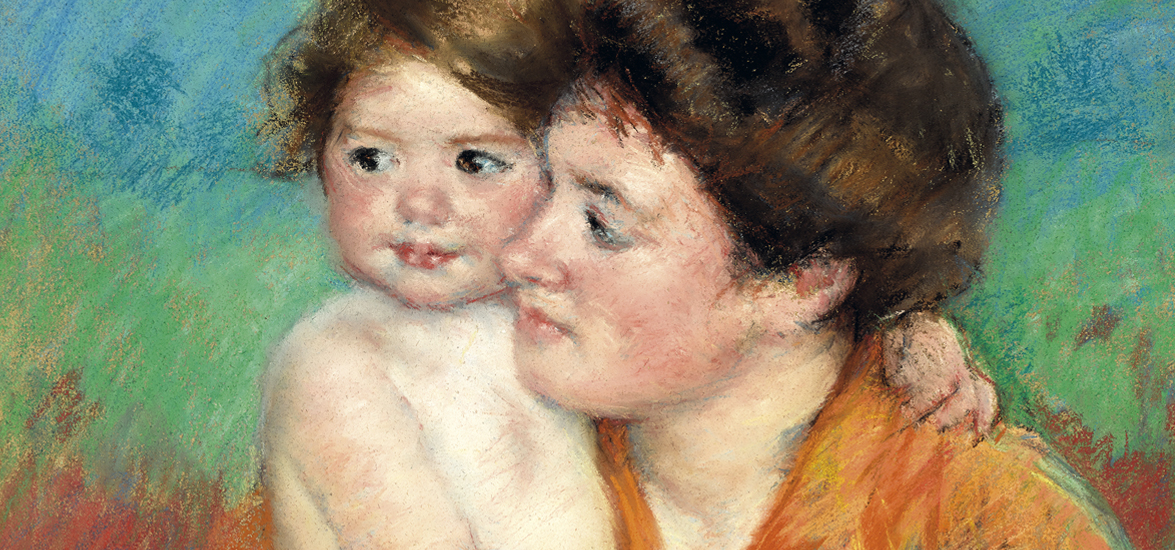
Mary Cassatt: American Impressionist ‘I took leave of conventional art. I began to live.’ So said Mary Cassatt (1844-1926) about her invitation in 1877 to join the Impressionists, the ‘true masters’. She overcame several obstacles to become an artist in Paris (‘the capital of the nineteenth century’) where she settled in 1874. She was a woman, daughter of a stockbroker; and foreign. She was born in Pennsylvania. Her parents were rather grand. Society girls did not paint, and most decidedly Read More

Toulouse Lautrec

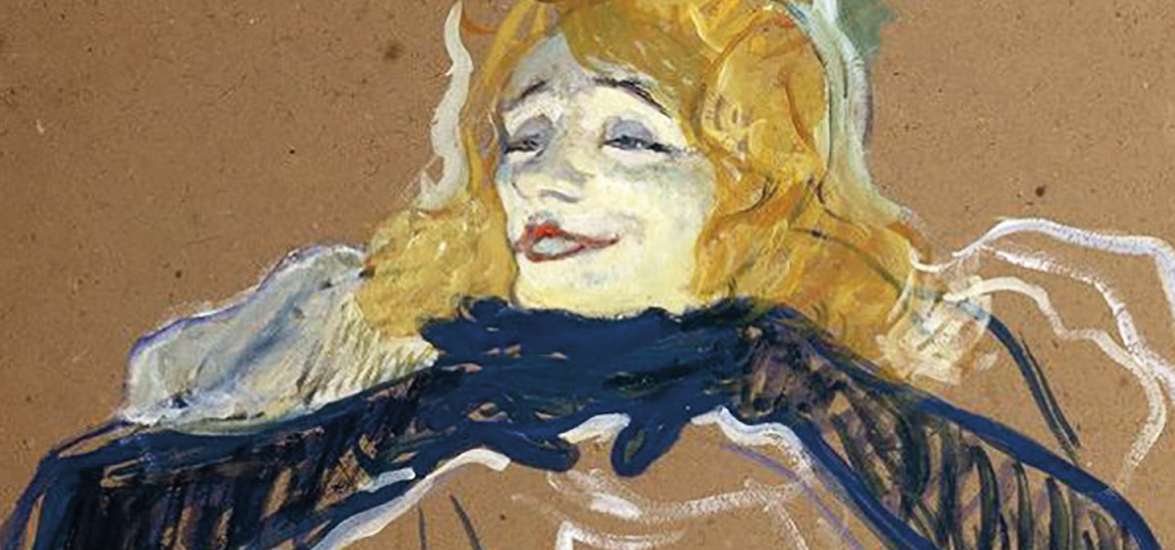
Henri de Toulouse-Lautrec (1864–1901) was an artist at ease with the demi-monde he frequented: the world of the night, of prostitutes, absinthe drinkers and can-can dancers. Eventually it would kill him. He died of syphilis and alcoholism. ‘His paintings were almost entirely painted in absinthe,’ remarked his contemporary Gustav Moreau. But he was not at ease with himself. He was mocked for his height. He was a mere four feet, eight inches (through a genetic condition – the result of Read More

Frans Hals

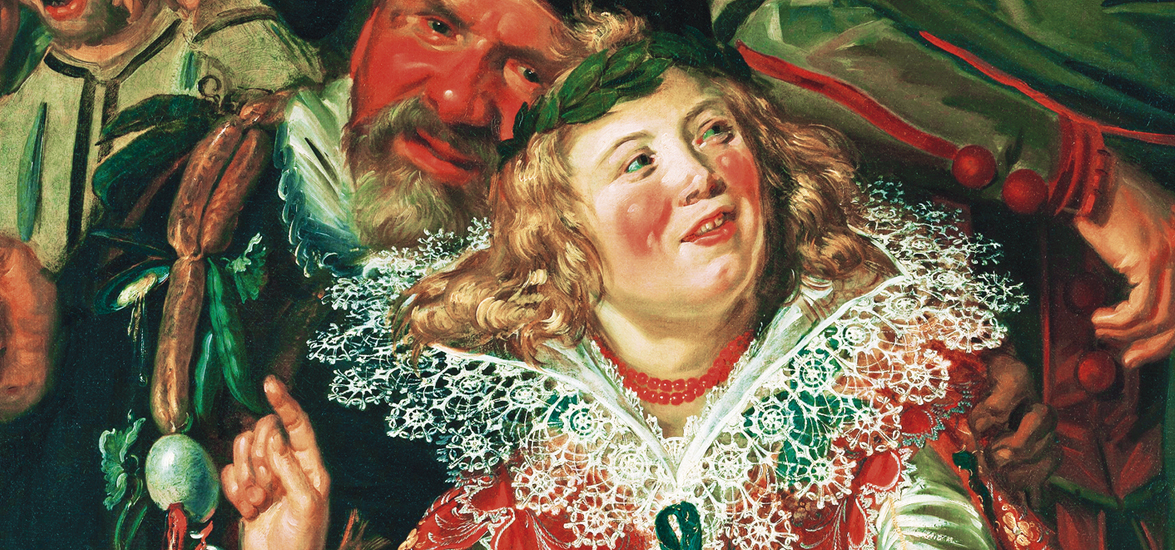
‘Frans Hals is a colourist among the colourists, a colourist like Veronese, like Rubens, like Delacroix, like Velázquez… But – tell me – black and white, may one use them or not? Are they forbidden fruit? I think not. Frans Hals must have had twenty-seven blacks.’  [Van Gogh, letter to his brother Theo, 1885] Pure Impressionism shunned black. Van Gogh did not. Black is not uniform. Stand before a portrait by FRANS HALS (1582–1666) of a finely dressed gent and Read More

Rothko

MARK ROTHKO: A deceptive stillness ‘I’m interested only in expressing basic human emotions — tragedy, ecstasy, doom…. there is no such thing as a good painting about nothing.’ MARK ROTHKO (born Marcus Rothkovitch in Latvia, 1903) brought something new to the post-war Abstract Expressionist school – emotion. He spent a lifetime exploring the limitless possibilities of layering expressive coloured rectangles onto fields of compatible colour (the result became known as Colour Field Painting). He took up painting in New York Read More

Renoir

‘To my mind, a picture should be something pleasant, cheerful, and pretty, yes pretty! There are too many unpleasant things in life as it is, without creating still more of them.’  Pierre-Auguste Renoir To enjoy RENOIR you don’t need to know about the science or artifice behind those dappled scenes of bathers or revellers. They were painted for his pleasure, and yours. Luncheon of the Boating Party (1881) is the essence of Renoir. It combines figures – portraits of his Read More

Mondrian

‘Mondrian realizes the importance of line. The line has almost become a work of art in itself… Each superfluous line, each wrongly placed line, any colour placed without veneration or care, can spoil everything – that is, the spiritual.’ Theo van Doesburg (1915) The art of Piet Mondrian (1872-1944) is precise, austere even. ‘Curves are so emotional,’ he said. He wanted ‘nothing specific, nothing human’ in his art. The compositions of his mature period use only black, white and primary Read More